About the Summit.
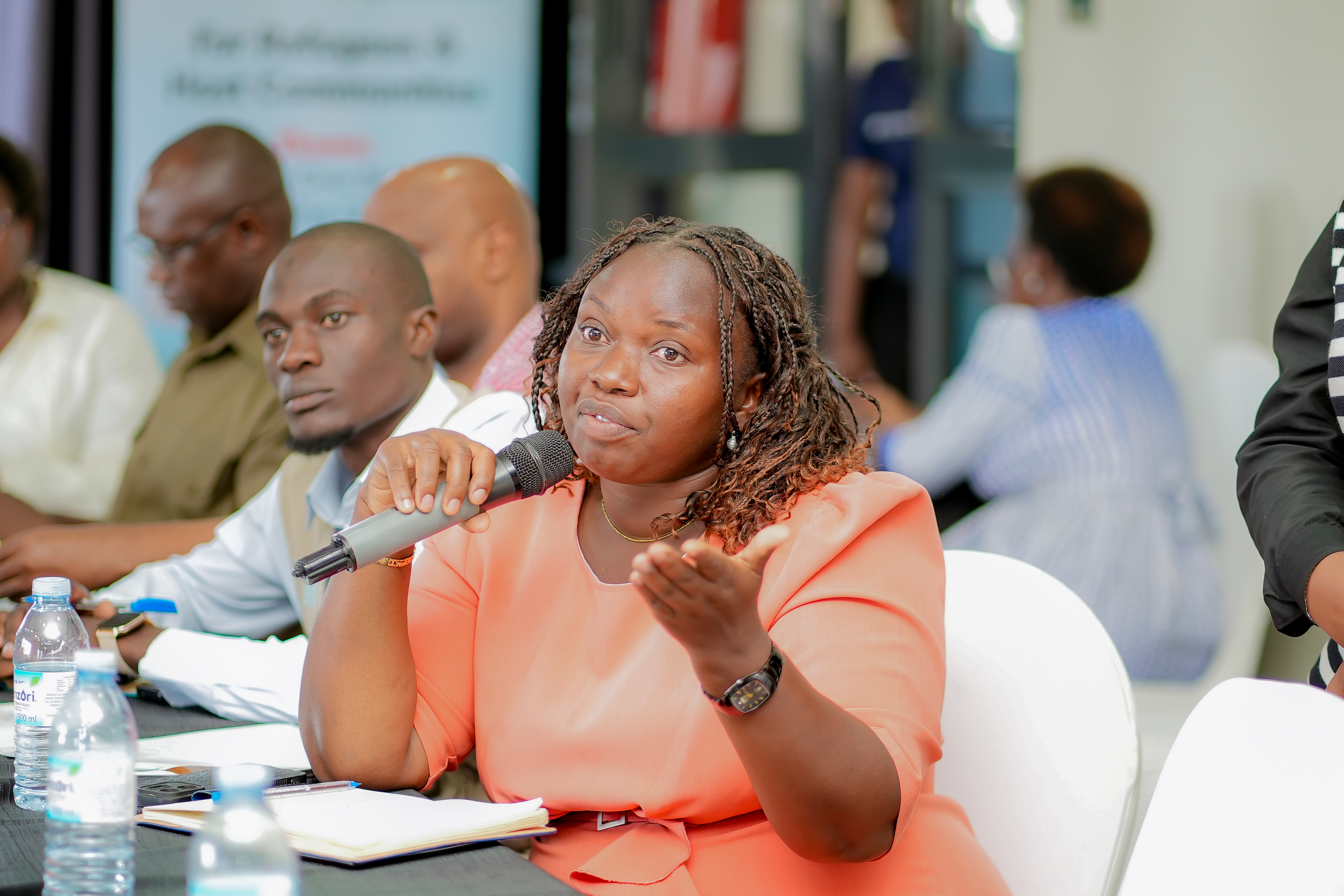
The Climate Change Summit held on 12 November 2025 at Fairway Hotel, Kampala, brought together over 57 participants including government representatives, refugee women leaders, civil society organizations, implementing partners, academia, and the media. Convened by the Refugee Women Led Organisations Network (REWON) with support from Oxfam and partners, the summit marked the culmination of a year-long initiative strengthening women-led climate adaptation in Kampala and Nakivaale Refugee Settlement.

The event showcased REWON’s transformative work in smart farming, climate awareness, community dialogues, women-led advocacy, and climate adaptation training. A powerful opening video highlighted community initiatives such as urban farming, organic fertilizer production, briquette making, waste management, and sustainable land-use practices implemented by partners including Girls Forum International, SWPDA, and Touch & Smile Foundation.
Keynote presentations and panel discussions emphasized the vital role of refugee women as local climate actors, capable of driving community-led solutions. Speakers underscored the unique vulnerabilities faced by women especially refugees due to limited resources, displacement stress, and heavy caregiving responsibilities. Yet, they also highlighted women’s innovation and leadership in clean energy promotion, smart farming, climate education, and grassroots advocacy.
Government representatives, including the Ministry of Water and Environment, shared ongoing national efforts such as the development of NDC 3.0, integration of refugee needs into climate policies, and creation of a Climate Mobility Blueprint to address climate-driven displacement. Participants called for stronger collaboration between CSOs and government, better access to climate data, and increased inclusion of refugee women in national climate planning processes. The summit also reflected on progress achieved throughout the project—ranging from community mobilization and evidence-based advocacy to coalition building between Refugee-Led Organisations and national climate justice actors. Lessons highlighted the importance of amplifying lived experiences and presenting unified advocacy messages. Key recommendations included strengthening refugee-led networks, improving climate–GBV intersectional programming, supporting clean energy transitions, enhancing data-sharing systems, and establishing long-term funding for sustained climate resilience.